Welcome to the Ultimate Crochet Guide! Read on and find all you need to know about the art of Crochet.
Described in one sentence, crochet is a form of needlework that uses a single hook to interlock loops of yarn or thread to create fabric. And it is simple as this at the beginning. But crochet is a versatile craft. Crochet can be used to make a wide range of items, including blankets, clothing, accessories, and home decor. So, whether you’re a seasoned crocheter or just starting, this Ultimate Crochet Guide will help you learn the basics and how to create your own beautiful projects.
Table of contents
HISTORY OF CROCHET
Crochet has a rich and fascinating history, and is a testament to the creativity and ingenuity of the people who have practiced it over the centuries.
Crochet is a needlework technique that has been around for hundreds of years,. The roots of crochet are found in Europe, Africa, and the Americas. It is believed to have originated in the early 19th century in the Mediterranean region, and from there, it spread to the rest of Europe and beyond.
In the early days of crochet, it was primarily used for making clothing and household items. Women would crochet blankets, tablecloths, doilies, and other items to decorate their homes and keep their families warm. Crochet was also used to create beautiful and intricate lace and edgings, which were highly prized by the wealthy.
Popularity of Crochet
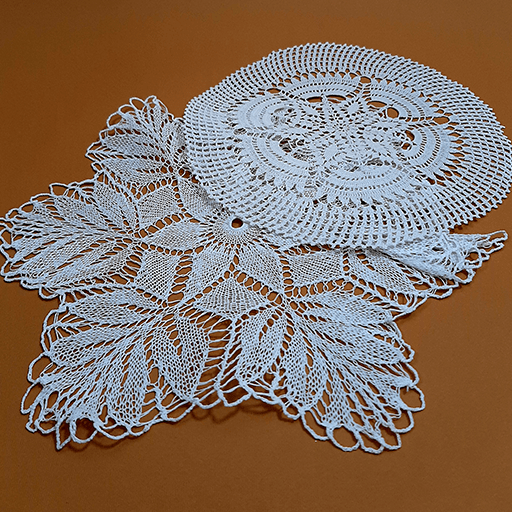
Crochet soon gained popularity in Europe and America, and by the mid-19th century, it had become a widespread craft. Women’s magazines and pattern books of the time featured numerous crochet patterns and designs. Women of all social classes could be found crocheting in their homes.
With the advent of industrialization, crochet became more accessible to the masses, as machine-made yarn became widely available. This allowed people to crochet more easily and quickly, and to make more elaborate and intricate items. During the 19th and early 20th centuries, crochet continued to evolve and grow in popularity with new techniques and patterns being developed and shared.
In the mid-20th century, crochet experienced a decline in popularity, as other needlework techniques, such as knitting and needlepoint, became more popular. However, in recent years, crochet has experienced a resurgence in popularity, with many people rediscovering this beautiful and versatile craft.
CROCHET SUPPLIES
Next topic in this Ultimate Crochet Guide is Crochet supplies. Before you begin to crochet, you’ll need to gather a few essential supplies. The three basic things you will need are a crochet hook, yarn, and a simple pattern. But as you go along and deepen your crochet skills, of course, you will need some extra supplies. Here are some of the most used ones:
Basic Crochet Supplies
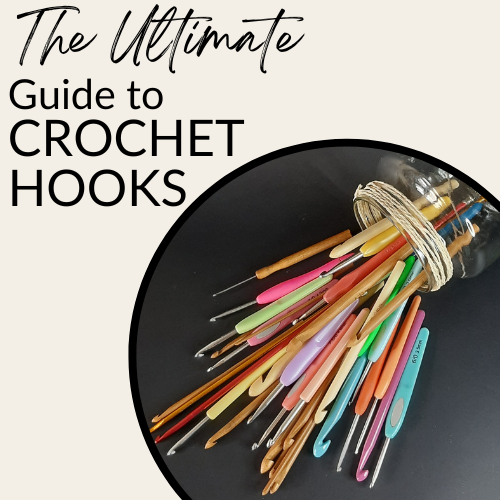
Crochet Hook – A crochet hook is the primary crochet tool. It’s a slender, pointed tool with a hook at one end. This hook serves to pull the yarn through loops to create stitches. Crochet hooks come in different sizes, ranging from small (size 0.6mm) to large (size 19mm), and in different materials, like aluminum, plastic, wood, and bamboo. The size of your hook will determine the size of your stitches and the gauge of your fabric.
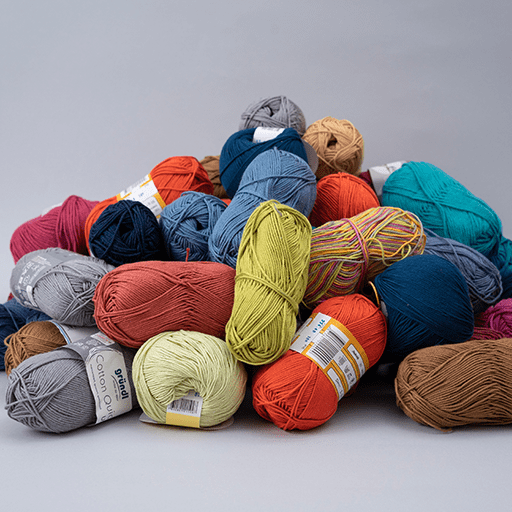
Yarn – Yarn is the second most important supply in crochet. It comes in various thicknesses and materials like wool, acrylic, cotton, silk, and bamboo. The thickness of the yarn affects the size of the stitches, and the material used affects the texture and durability of the finished project. When choosing your yarn, consider the type of project you want to make and the desired thickness of your fabric.
Having the right crochet supplies can make all the difference when it comes to creating beautiful and professional-looking crochet projects.
Crochet Accessories
Scissors – A good pair of scissors is essential for cutting yarn and snipping off loose ends. It’s important to have a sharp and precise pair of scissors that won’t fray the yarn or create jagged edges.
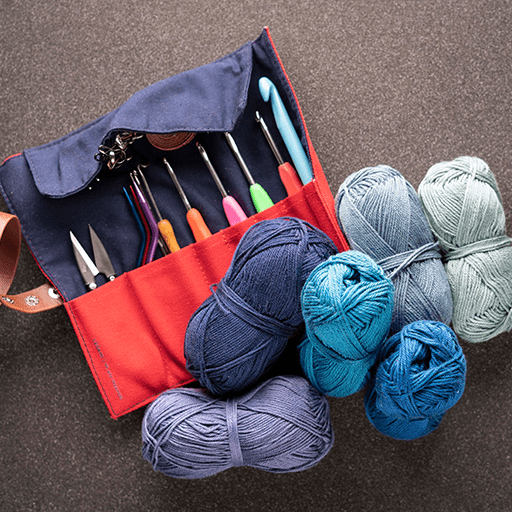
Stitch Markers – Stitch markers are small, removable clips that help you keep track of where you are in a pattern. They are particularly useful when working on larger projects or when using complex stitch patterns. You can use them to mark the beginning and end of a round or to mark specific stitches.
Tape Measure – Measuring the length and width of your work is essential for ensuring that your project is the correct size. And, in that way you can determine the amount of yarn needed for a project.
Yarn Needle – A yarn needle is a large, blunt needle used for weaving in ends and seaming pieces together. It’s important to choose a needle that is the appropriate size for the yarn you’re working with.
Additional Crochet Accessories
Stitch Counter – If you want to keep track of the number of stitches in a pattern, then you will need a stitch counter. It’s especially useful when working on projects with repetitive stitch patterns.
Blocking Tools – Blocking tools, like blocking mats and pins, are used to shape and set your finished project. They help to ensure that your work looks neat and professional.
Crochet Books and Patterns – Crochet books and patterns are an excellent resource for learning new stitches and creating beautiful projects. There are many books and patterns available for beginners, as well as more advanced crocheters.
Crochet Bag – A crochet bag is a handy way to store all your crochet supplies. It helps to keep everything organized and in one place, making it easier to find what you need when you need it.
Crochet Journal/Diary – It is always a good idea to have a Crochet Journal by your side. Writing down details about your current crochet project is essential if you need to crochet another same or similar item. And above all, Crochet Journal is essential if you decide later to write and publish the pattern for the crochet item in question.
Having the right crochet supplies can make all the difference when it comes to creating beautiful and professional-looking crochet projects. By investing in high-quality tools and materials, you’ll be able to create stunning works of art that you’ll be proud to show off.
TYPES OF CROCHET
As a versatile craft, crochet allows you to create a wide range of beautiful and unique projects. In this chapter of the Ultimate Crochet Guide we will discuss the basic Types of crochet. From blankets and hats to intricate lacework and doilies, there are countless possibilities when it comes to crochet. Here are some of the most popular types of crochet:
Types of Crochet by Technique
Filet Crochet – Filet crochet is a technique that involves creating a grid pattern with open and closed spaces. The open spaces form a lace-like design, while the closed spaces create solid areas. This technique is often used to create decorative items like doilies, table runners, and wall hangings.
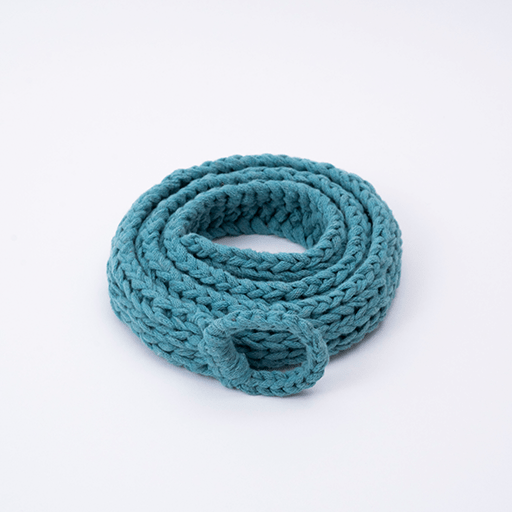
Tapestry Crochet – Tapestry crochet is a technique that involves working with two or more colors of yarn at once to create intricate patterns. The colors are carried along the back of the work, creating a dense and durable fabric. You can use Tapestry crochet to create bags, purses, and other accessories.
Tunisian Crochet – Tunisian crochet is a technique that combines elements of crochet and knitting. It uses a long crochet hook and involves working back and forth in rows, creating a dense and textured fabric. The most common use of Tunisian crochet is for creating blankets, scarves, and other warm and cozy items.
Special Types of Crochet
Broomstick Lace Crochet – Broomstick lace crochet is a technique that creates a lacy, openwork fabric by looping yarn around a large knitting needle or dowel. The loops are then worked into a pattern, creating a delicate and intricate finished product. Broomstick lace crochet is often used to create shawls, scarves, and other delicate accessories.
Hairpin Lace Crochet – Hairpin lace crochet is a technique that uses a special tool called a hairpin lace loom to create long loops of yarn. The loops are then woven together to create a lacy and elegant fabric. Hairpin lace crochet is often used to create shawls, scarves, and other delicate accessories.
Types of Crochet by Design
Amigurumi Crochet – Amigurumi is the Japanese art of crocheting small, stuffed animals or creatures. These projects typically use a smaller hook and are worked in the round, creating a seamless finished product. Amigurumi patterns often feature cute and whimsical designs, making them a favorite among crafters of all ages.
Freeform Crochet – Freeform crochet is a technique that allows you to create unique and unconventional designs by combining different stitches and textures. It’s a more improvisational approach to crochet, with no set patterns or rules. Freeform crochet is often used to create artistic and experimental pieces like wall hangings, garments, and sculptures.
In conclusion, there are many different types of crochet techniques, each with its own unique set of skills and challenges. Whether you’re a beginner or an experienced crocheter, there’s always something new to learn and discover in the world of crochet. With a little practice and experimentation, you can create beautiful and unique pieces that showcase your creativity and skill.
CROCHET STITCHES AND PATTERNS
Stitches
The next step in this Ultimate Crochet Guide is to learn the basic stitches. There are a few basic stitches that you’ll use over and over again. These include the chain stitch, single crochet stitch, half double crochet stitch, double crochet stitch, and triple crochet stitch. To make a chain stitch, first you’ll need to make a slipknot. Then loop the yarn over the hook and pull it through the loop on your hook. To make a single crochet stitch, insert your hook into the next chain, wrap the yarn over the hook, and pull the yarn through the chain and the loop on your hook. Repeat these steps to make as many stitches as you like.
Once you’ve learned the basic stitches, it’s time to start a project. There are a variety of patterns you can use to make different items, but for your first project, you might consider making a simple washcloth or dishcloth.
Examples:
To make a washcloth, you’ll need to chain a multiple of 10 stitches, then make single crochet stitches in each chain. Repeat this pattern until you have the desired size and then fasten off your yarn.
You can also make a ripple afghan by working a combination of single crochet and double crochet stitches to create a wavy pattern.
Patterns
As you can see from these very simple examples, Crochet patterns are instructions that guide crocheters on how to create a particular project or item. These patterns usually include multiple informations. You will find information about the type of yarn, hook size, and specific stitches and techniques needed to create the finished product. Crochet patterns can range from simple and straightforward to complex and intricate, making it a versatile craft suitable for all levels of skill.
As you become more comfortable with crochet, you can experiment with different stitches and patterns.
Crochet is a wonderful craft that offers endless possibilities for creativity. Whether you’re looking to make blankets, clothing, accessories, or home decor, there’s something for everyone.
Some common types of crochet patterns
Blanket Patterns – Blanket patterns are among the most popular crochet patterns. They can range from simple, beginner-friendly designs to complex and intricate patterns that challenge even the most experienced crocheters. Blanket patterns often involve repeating a series of stitches in a specific pattern or sequence to create a cohesive design.
Amigurumi Patterns – Amigurumi patterns are instructions for creating small, stuffed animals or creatures using crochet. These patterns often involve working in the round with a small hook. Also they can include various techniques such as color changes and shaping to create the desired design.
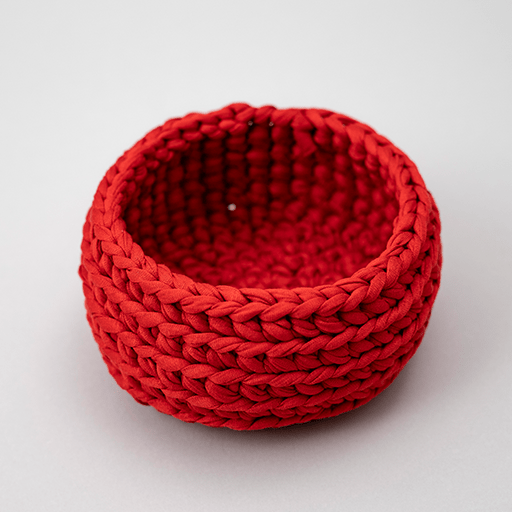
Garment Patterns – Garment patterns are instructions for creating clothing items such as sweaters, hats, and scarves using crochet. These patterns often involve more complex techniques such as shaping and stitching together multiple pieces to create a finished garment.
Home Decor Patterns – Home decor patterns include items such as doilies, pillow covers, and wall hangings. These patterns often involve more intricate designs and stitch patterns, making them a great choice for more experienced crocheters.
Accessory Patterns – Accessory patterns include items such as hats, gloves, and bags. These patterns often use simple stitch patterns and techniques, making them suitable for crocheters of all skill levels.
Choosing a Crochet Pattern
When choosing a crochet pattern, it’s important to consider your skill level, as well as your interests and preferences. Some patterns may require more advanced techniques or a higher level of experience. But, of course, there are a lot of patterns that are more suitable for beginners. It’s also important to choose a pattern that appeals to your personal style and taste. This will help to keep you motivated and excited about your project.
In addition to traditional written patterns, many crocheters also use charts and diagrams to guide their work. These visual representations of the pattern can be particularly helpful for complex designs or those that involve intricate stitch patterns.
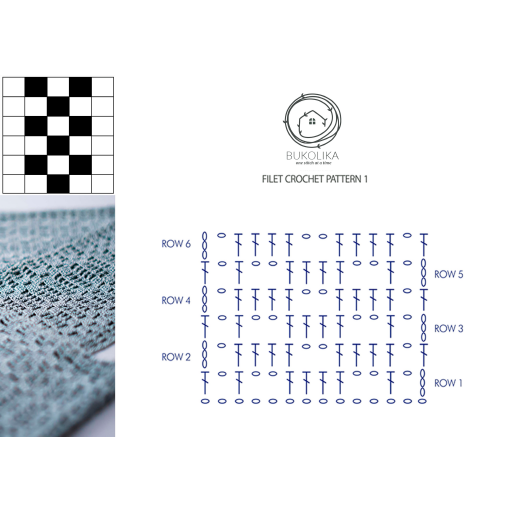
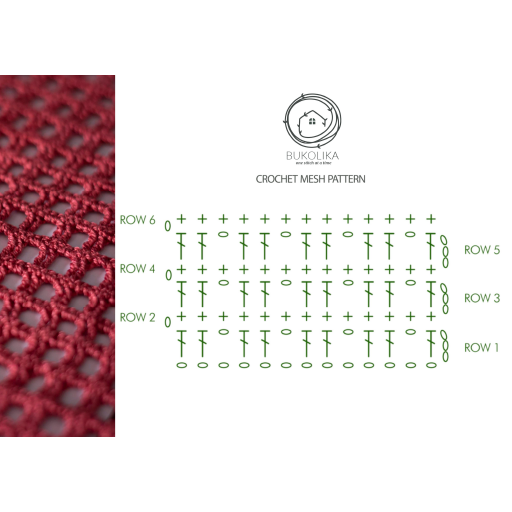
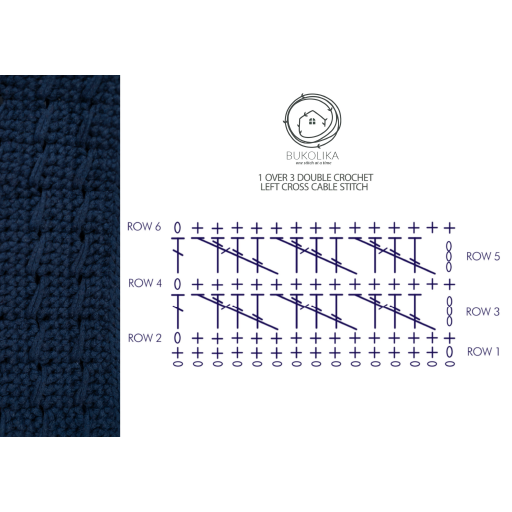
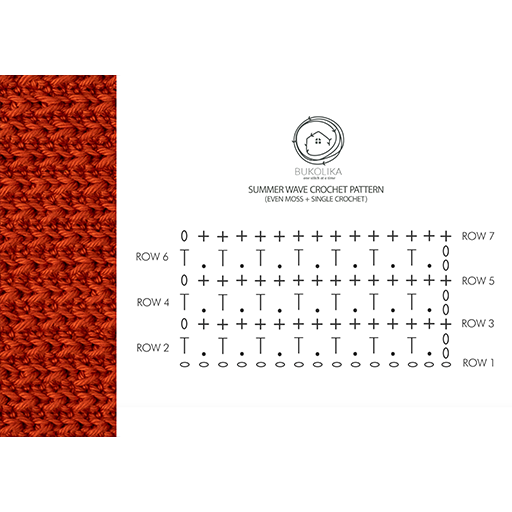
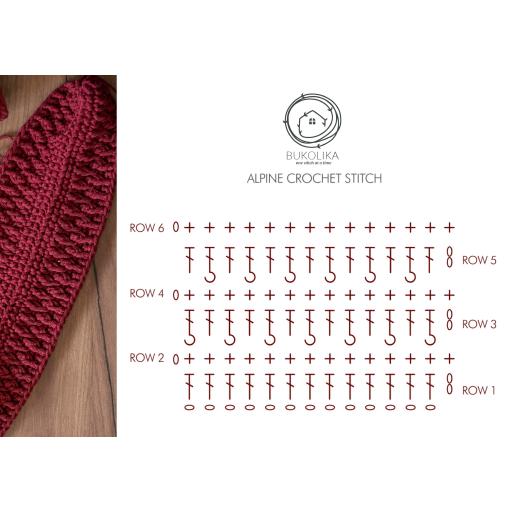
Overall, crochet patterns offer a world of possibilities for crocheters of all skill levels. Whether you’re creating a cozy blanket or a cute amigurumi, there’s a pattern out there that’s perfect for you. With practice you can develop your skills and create beautiful and unique pieces that showcase your creativity and talent.
The possibilities are endless, so feel free to be creative!
There are many techniques to explore, so don’t be afraid to try something new!
Whether you’re looking to create beautiful and functional items, or to explore your own creativity and imagination, crochet is a craft that has something for everyone.
CROCHET ITEMS
The last chapter of this Ultimate Crochet Guide is Crochet items. There is a vast range of things that you can crochet. It all depends on your skill level, interests, and the materials you have available. Here are some popular things to crochet:
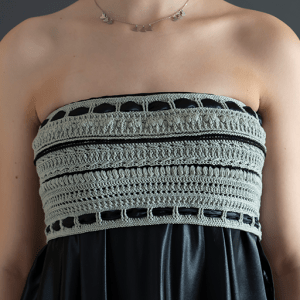
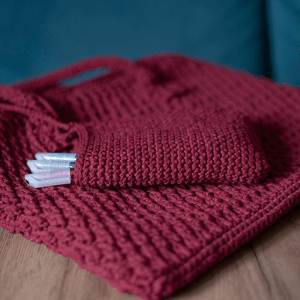
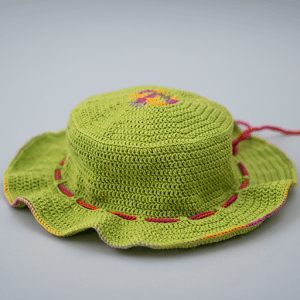
1. Clothing and accessories – You can crochet scarves, hats, gloves, shawls, and even dresses, skirts, and tops.
2. Blankets and throws – Cozy blankets and throws can be made in a variety of sizes and colors, making them great gifts or home decor items.
3. Toys and stuffed animals – Crochet toys and stuffed animals make great gifts for children and can be made in any shape or size.
4. Home decor items – You can crochet cushion covers, coasters, placemats, curtains, and even lampshades.
5. Bags and purses – Crocheted bags and purses come in many different sizes and styles, from small coin purses to large market bags.
6. Amigurumi – Amigurumi is a style of crochet used for making small, cute, and cuddly stuffed animals and other creatures.
7. Doilies and table runners – Crocheted doilies and table runners can add a touch of elegance and charm to any room in your home.
8. Jewelry – You can crochet necklaces, bracelets, and even earrings using fine yarn and small hooks.
In Conclusion
No matter what you decide to crochet, the possibilities are endless! You can find patterns and ideas online, in books, or you can create your own designs and patterns. The most important thing is to have fun and to enjoy the process of creating something with your own hands.
One of the best things about crochet is that it’s very portable. You can take your work with you wherever you go, whether you’re traveling, waiting at the doctor’s office, or just relaxing on the couch. With a little bit of practice, you’ll be able to crochet quickly and easily, which means you can finish your projects in no time.
Finally, it’s important to remember that crochet is a relaxing and enjoyable hobby. Take your time, because with practice, you’ll become more confident and skilled. And of course, over time, you’ll be able to create beautiful and unique items that you’ll be proud to share with others.
In conclusion, crochet is a wonderful craft that offers endless possibilities for creativity. Whether you’re looking for a new hobby, or a serious and profitable business, there’s something for everyone.
I hope you found useful info and inspiration in this Ultimate Crochet Guide!
Follow Bukolika.mk on Instagram and feel free to share what crochet topics, tutorials, or handmade traditions you would like to explore here in the future.