
For generations across the Balkans, handmade textile work was part of everyday life. Crochet, knitting, weaving, embroidery, sewing, and fiber arts were not hobbies separated from daily routines — they were essential skills passed from one generation of women to the next.
Hands remembered what books often did not record.
Mothers taught daughters. Grandmothers shared techniques through observation, repetition, and patience. Handmade knowledge traveled quietly through homes, villages, and family gatherings, becoming part of cultural identity across North Macedonia and the wider Balkan region.
Today, much of that knowledge is slowly disappearing.
Handmade traditions in Balkan culture
Traditional Balkan textile heritage carries a deep connection to history, memory, and daily life. Every region developed its own patterns, textures, materials, and methods shaped by climate, local resources, and community traditions.
Women created:
- hand-knitted garments
- crochet lace
- woven textiles
- blankets and rugs
- embroidered household fabrics
- practical bags and storage pieces
- decorative objects for celebrations and rituals
These handmade items were valued not only for beauty, but for usefulness, durability, and care.
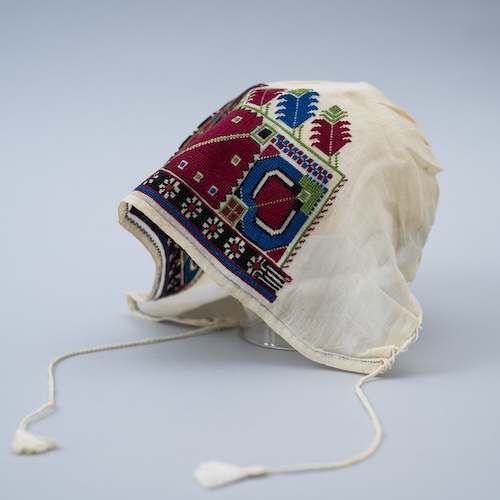
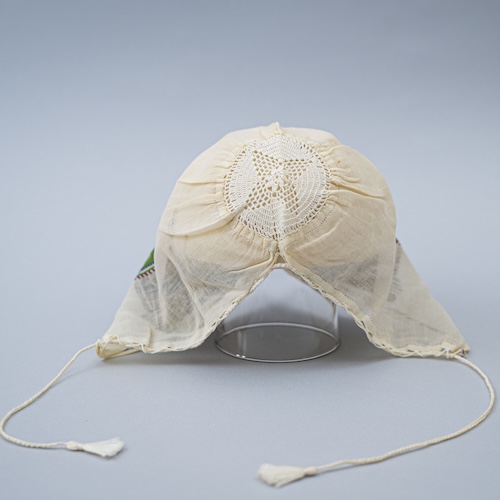
Crochet and knitting were once common domestic skills throughout North Macedonia. Handmade work filled homes with texture and warmth while also representing patience, creativity, and resourcefulness.
The gradual disappearance of handmade knowledge
Over the last 30 to 40 years, many traditional textile practices in the Balkans have become increasingly marginalized and undervalued.
Industrial production, fast fashion, changing lifestyles, and digital culture slowly pushed handmade craft out of everyday life. Skills that once passed naturally between generations now survive only in fragments.
In many families, younger generations no longer learn:
- crochet techniques
- knitting basics
- textile repair
- weaving methods
- embroidery traditions
As older generations disappear, much of this handmade knowledge disappears with them.
What was once ordinary has quietly become rare.
Why preserving textile heritage matters
Preserving traditional textile heritage is not about nostalgia or returning to the past exactly as it was.
It is about protecting cultural memory, manual knowledge, and slower ways of creating that still carry meaning today.
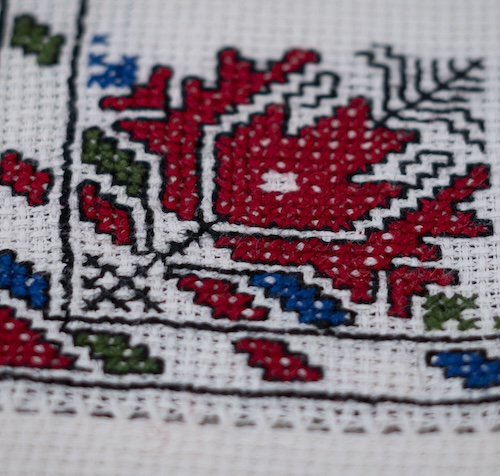
Handmade craft teaches:
- patience
- attention to detail
- material awareness
- sustainability
- care for objects
- appreciation for process
In a world shaped by speed and mass production, handmade textile work offers something increasingly valuable — connection: to materials, to tradition, and connection between generations.
Contemporary crochet and modern reinterpretation
Traditional craft survives best when it continues evolving.
Contemporary crochet and modern textile work can help preserve handmade traditions by giving them new relevance in everyday life. Rather than existing only as museum objects or nostalgic memories, crochet and knitting can become part of contemporary design, fashion, and creative practice.
At Bukolika, crochet is approached as both:
- a traditional skill
- and a contemporary form of expression
Simple handmade objects, textured surfaces, natural materials, and slow processes all become ways of carrying textile traditions forward while allowing them to adapt to modern life.
Learning from older generations
Much of the remaining handmade knowledge in the Balkans still lives within older generations of women.
Their techniques often contain years of practical understanding:
- how to work efficiently with yarn
- how to repair and reuse materials
- how to create durable handmade pieces
- how to develop rhythm and consistency through repetition
These forms of knowledge are deeply valuable, even if they are rarely recognized in modern culture.
Listening to and learning from experienced craftswomen helps preserve more than technique — it preserves ways of thinking, creating, and living.
Slow craft in a fast world
Crochet naturally resists speed.
Every stitch requires time. Every finished piece reflects hours of repetitive hand movement, focus, and patience. Handmade textile work cannot be rushed without losing part of its character.
This slowness is part of its value.
Slow craft encourages a different relationship with objects — one based on care, longevity, and appreciation rather than constant replacement.
As interest in sustainability, slow living, and handmade culture grows internationally, traditional Balkan textile crafts may once again find new visibility and meaning.
Keeping handmade traditions alive
Preserving Balkan textile heritage does not require large institutions alone. It also happens quietly through everyday practice:
- teaching crochet
- sharing techniques
- documenting handmade processes
- supporting local artisans
- valuing handmade work
- continuing to create
Each handmade piece becomes a small act of continuity.
A reminder that traditional knowledge still matters.
And that even in a rapidly changing world, there is still space for slower, more human ways of making things by hand.
Follow Bukolika.mk on Instagram and feel free to share what crochet topics, tutorials, or handmade traditions you would like to explore here in the future.